What We Do

Services

Every concrete job we take on, from a small patch to a full driveway pour.

HomeServices

Everything we take on

Every job below is one we do ourselves across Los Angeles.

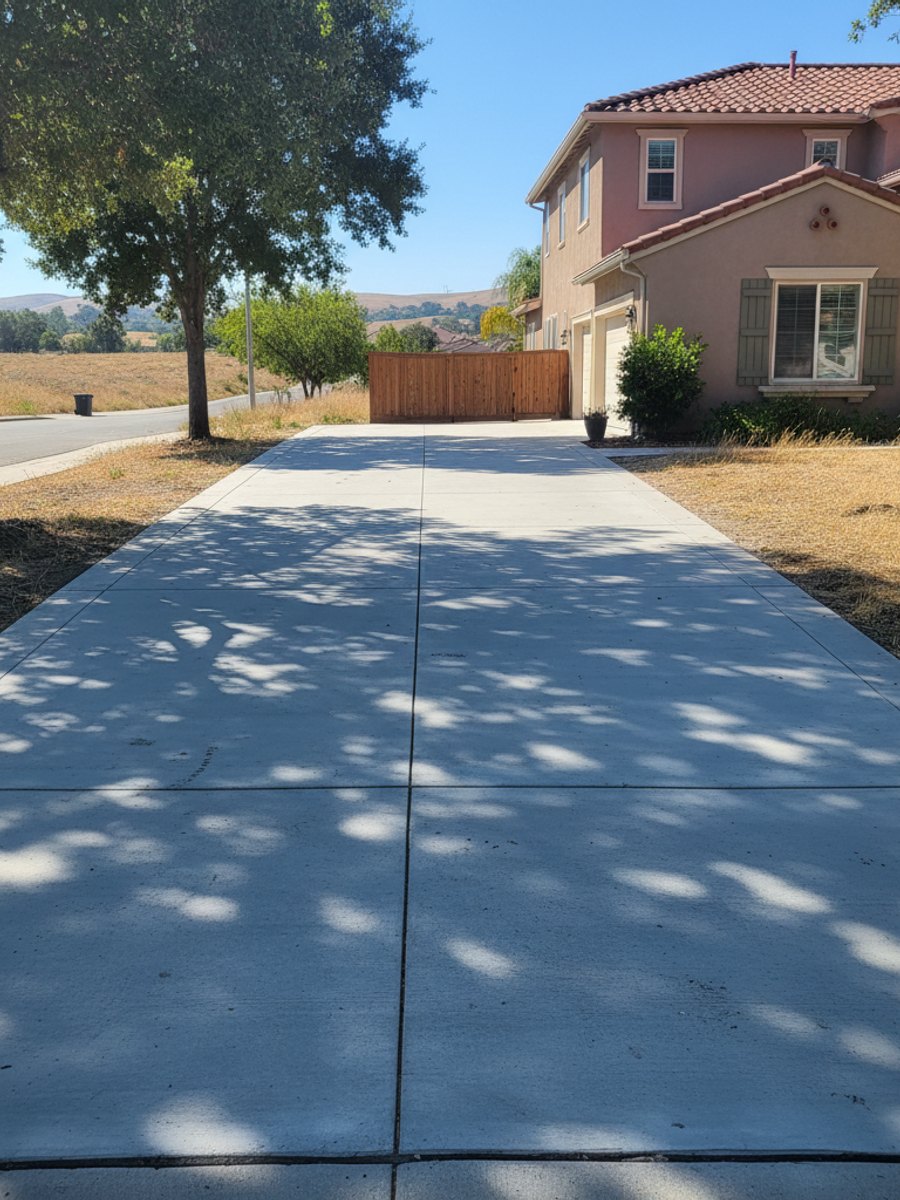
Concrete Driveways

We form and pour driveways sized for daily car and truck weight, not just foot traffic. That means a thicker slab, rebar instead of mesh on most jobs, and a base that's compacted before any concrete goes down. We cut control joints the same day to keep cracking predictable instead of random.

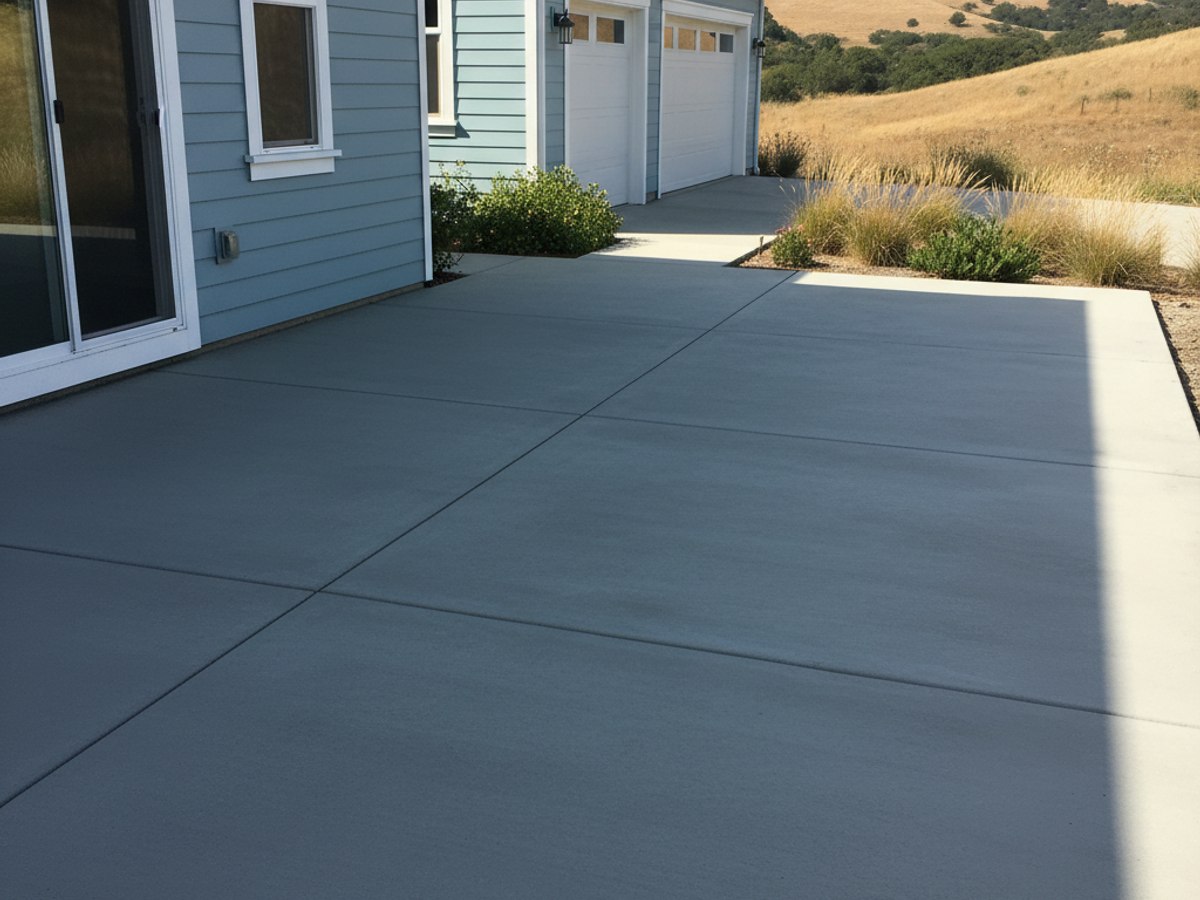
Concrete Patios

A patio slab needs the right slope so water runs toward the yard and not your foundation. We finish patios broom, trowel, or exposed aggregate depending on how the space gets used and how slick you want it when it's wet.

Stamped Concrete

Stamped concrete gets you the look of flagstone, brick, or slate without the cost or the weeds coming up between pavers. We color and stamp before the slab sets, then seal it so the pattern holds up under sun and foot traffic.

Concrete Repair

Cracked, pitted, or spalling concrete doesn't always need to come out. We patch small failures, mud-jack or foam-lift a sunk section back to level, and only recommend a full tear-out when the base underneath is actually the problem.

Concrete Slab Foundations

We pour slab foundations for additions, ADUs, and outbuildings, reinforced and leveled to whatever the structure above needs. Getting the base compaction right here matters more than almost anything else on the job, since it's the part nobody sees again once it's covered.

Concrete Steps & Walkways

Steps and walkways get poured to code rise and run, so they're safe and even underfoot. We finish these with a broom texture for grip, especially anywhere they get wet.

Concrete Resurfacing

If a slab is sound underneath but the surface has gone gray, pitted, or scaled from years of weather, an overlay can bring it back without tearing out the whole thing.

Concrete Retaining Walls

Retaining walls have to actually hold back the slope behind them, which means drainage behind the wall matters as much as the concrete itself. We build in weep holes or gravel backfill so water pressure doesn't push the wall out over time.

Exposed Aggregate Concrete

Exposed aggregate gives you a textured, non-slip surface by washing off the top layer of cement paste to reveal the stone underneath. It holds up well on pool decks and driveways where a smooth trowel finish gets slippery.

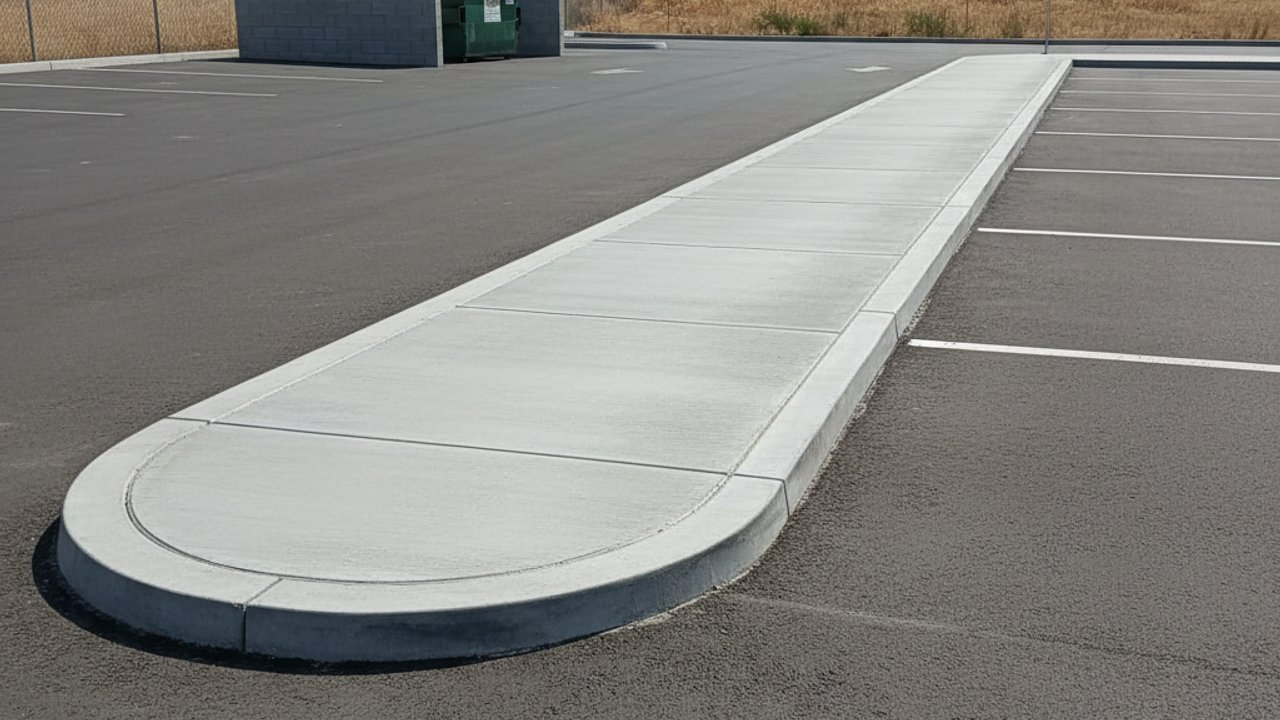
Concrete Sidewalks & Flatwork

We pour public sidewalks, curbs, and commercial flatwork to city spec, including the slope and joint spacing inspectors check for. This is often permitted work, and we handle that paperwork as part of the job.

How It Works

Four steps, and no surprises in any of them.

01

We come and look

You tell us what you want doing, we look at what is actually there, and we ask the awkward questions early.

02

You get a price

In writing, itemised, free. If something might add cost later we flag it now rather than at the end.

03

We do the work

Same crew throughout. We cover your floors, keep the dust down and tidy up before we leave each day.

04

We walk it with you

You point out anything you are not happy with and we fix it before the invoice, not after.

Where We Work

All of this, across Los Angeles, CA

We bring the same crew and equipment to every city on this list.

Los Angeles, CA
Long Beach, CA
Anaheim, CA
Santa Ana, CA
Huntington Beach, CA
Glendale, CA
Inglewood, CA
Downey, CA
Torrance, CA
Pasadena, CA
Burbank, CA
Compton, CA
Common Questions

Things worth asking

Questions that come up once a concrete project is actually underway.

Is a permit needed for a new driveway or patio?
Permits are typically required for new driveway approaches, structural retaining walls, and any concrete work that changes drainage or connects to a public sidewalk. A simple patio replacement in the same footprint often doesn't need one, but it depends on the city's specific code.
How long does a concrete driveway or patio take to pour and cure?
Forming and pouring a typical driveway or patio usually takes one to two days, with the concrete safe to walk on after about two days and safe for car traffic after five to seven days depending on the mix. Full cure strength takes closer to twenty eight days, which matters for anything heavier than a parked car.
Can a concrete project be scaled to fit a tighter budget?
A concrete project can be scaled down by using a plain broom finish instead of stamped or exposed aggregate, reducing the footprint, or phasing the work over more than one visit. Cutting corners on base compaction or reinforcement to save money usually costs more later in cracking and repair.
Is finished concrete work guaranteed?
Reputable concrete contractors back their pours against cracking, settling, or finish defects for a set period after completion, usually specified in the written contract. Concrete does develop some hairline cracking as a normal part of curing, and that's different from a structural failure.
Who handles day-to-day questions during a concrete project?
On a concrete job, homeowners typically deal directly with the crew lead or contractor running the pour rather than a separate office contact, since decisions about forms, joints, and finish get made on site in real time. Getting a direct phone number for whoever is actually on site is worth doing before work begins.
What kind of concrete mix and reinforcement gets used?
Residential concrete work typically uses a standard 3,000 to 4,000 PSI mix, with rebar preferred over wire mesh for driveways and anything carrying vehicle weight, since mesh tends to sag to the bottom of the pour during placement. Patios and walkways with lighter loads can sometimes use mesh instead.
Can someone stay in their house during concrete work?
Living in the house during driveway, patio, or walkway concrete work is normal, since the work happens outside and doesn't affect utilities or interior access in most cases. Access to a garage or driveway will be blocked for several days while the new concrete cures.
How should a site be prepped before a concrete crew arrives?
Clearing vehicles, patio furniture, and planters out of the work area before a crew arrives saves time on day one, since forming and excavation can't start until the space is clear. Sprinkler lines and irrigation near the pour area should also be flagged in advance so they aren't cut during excavation.
What happens if a problem turns up once digging starts?
Unexpected issues on a concrete job usually mean tree roots, old buried debris, soft or unstable soil, or a broken utility line found during excavation. Work should stop, the issue should be explained, and any added cost or scope change should be approved before continuing rather than building over the problem.
How should new concrete be cared for after it's poured?
New concrete should be kept off vehicle traffic for about a week and free of harsh de-icing salts or heavy chemical cleaners for the first month while it fully cures. Sealing a driveway or patio every two to three years helps it resist staining, scaling, and surface wear from sun and weather.

Not sure what you need?

Describe the problem and we will tell you what it probably is. No obligation.

Call (310) 362-9768